Digital marketing today is less about knowing individual tactics and more about
making the right decisions under constant uncertainty. Platforms change without notice,
algorithms evolve silently, and tools—especially AI-driven ones—promise efficiency
without always revealing their trade-offs. In this environment, judgment becomes
more valuable than execution speed.
Over more than 7 years of hands-on experience, Nikhil Sharma’s work has
increasingly centered on one question: what should not be done.
As digital ecosystems become more automated, the ability to pause, evaluate,
and choose restraint often separates sustainable growth from temporary performance.
This perspective was shaped not by theory, but by observing the long-term impact
of decisions across real projects.
Early in his career, progress came from execution—testing ideas, launching campaigns,
optimizing pages, and responding quickly to performance signals.
Over time, however, patterns began to emerge.
Aggressive tactics created volatility.
Over-optimization introduced fragility.
Short-term gains often produced long-term limitations.
These observations gradually shifted focus toward stability, clarity, and system-level thinking.
Today, strategy is approached as a series of deliberate trade-offs.
Not every opportunity is pursued.
Not every automation is enabled.
Not every data point is treated as actionable.
Instead, emphasis is placed on understanding signal versus noise—
identifying which metrics genuinely reflect progress and which simply create motion.
Artificial intelligence has intensified the importance of this mindset.
AI can generate insights, content, forecasts, and optimizations at scale,
but it does not carry responsibility for outcomes.
That responsibility remains human.
In Nikhil’s work, AI is used to surface possibilities and patterns,
while final decisions remain grounded in context, experience,
and an understanding of second-order effects.
This applies equally across organic growth, paid acquisition,
and performance-driven initiatives.
Automation may decide how something executes,
but strategy decides why it executes.
Without that distinction, efficiency increases while direction weakens—
a common failure point in modern digital programs.
Accountability is therefore a central principle.
Every decision is evaluated not just by immediate results,
but by how it affects future flexibility.
Can the system adapt?
Does it remain interpretable?
Are insights transferable, or locked inside tools and dashboards?
These questions guide how platforms, processes,
and technologies are integrated.
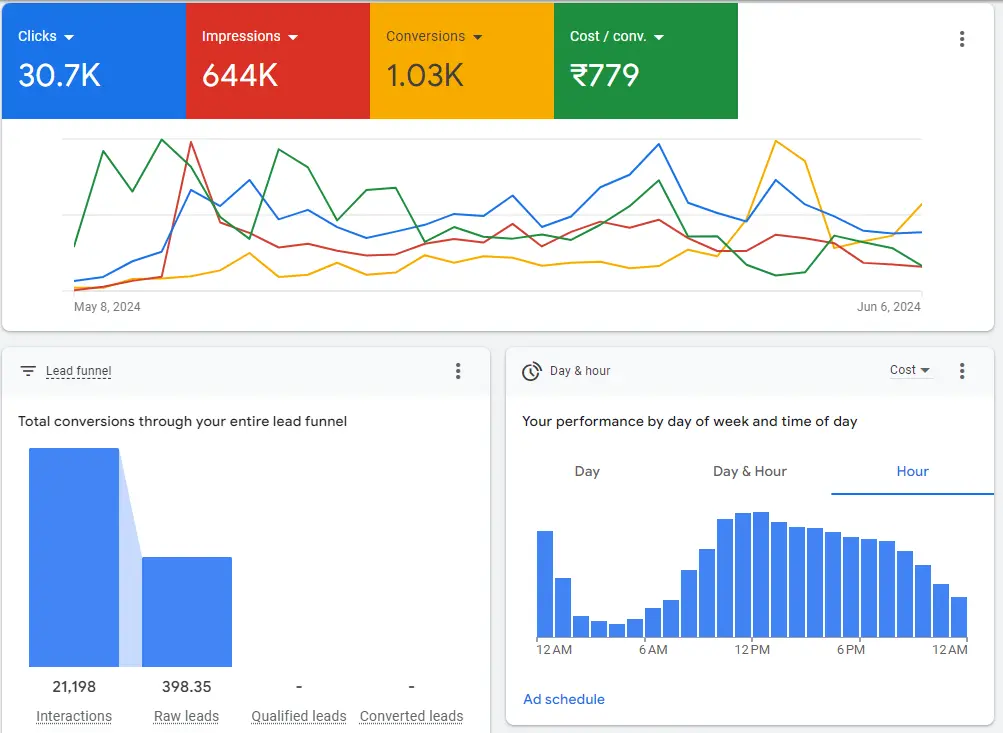
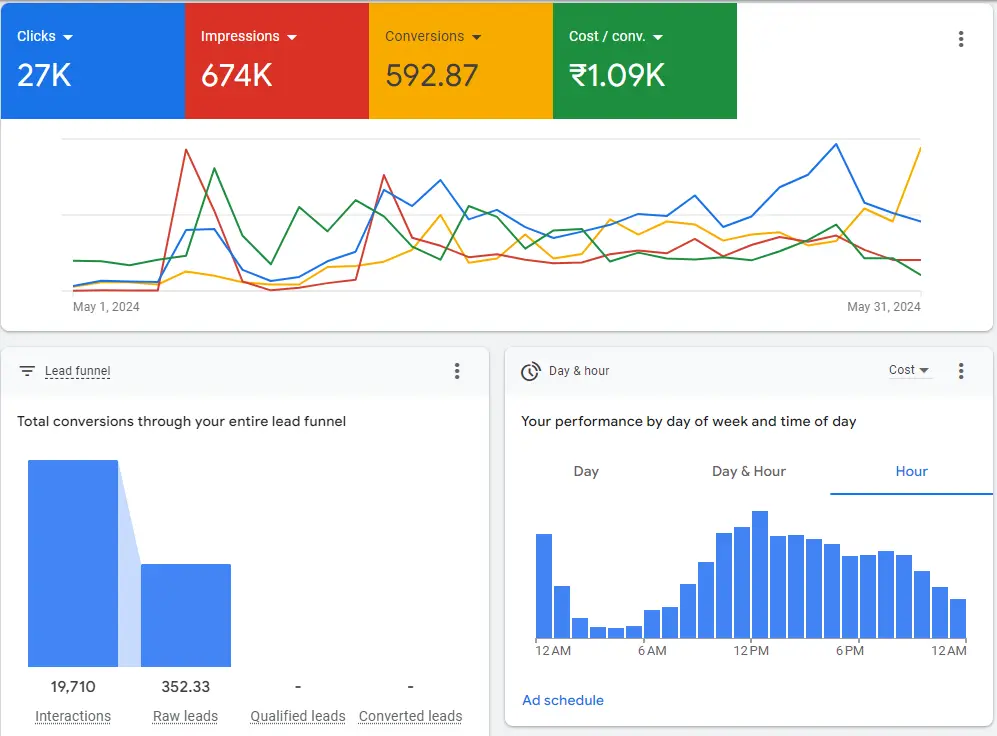
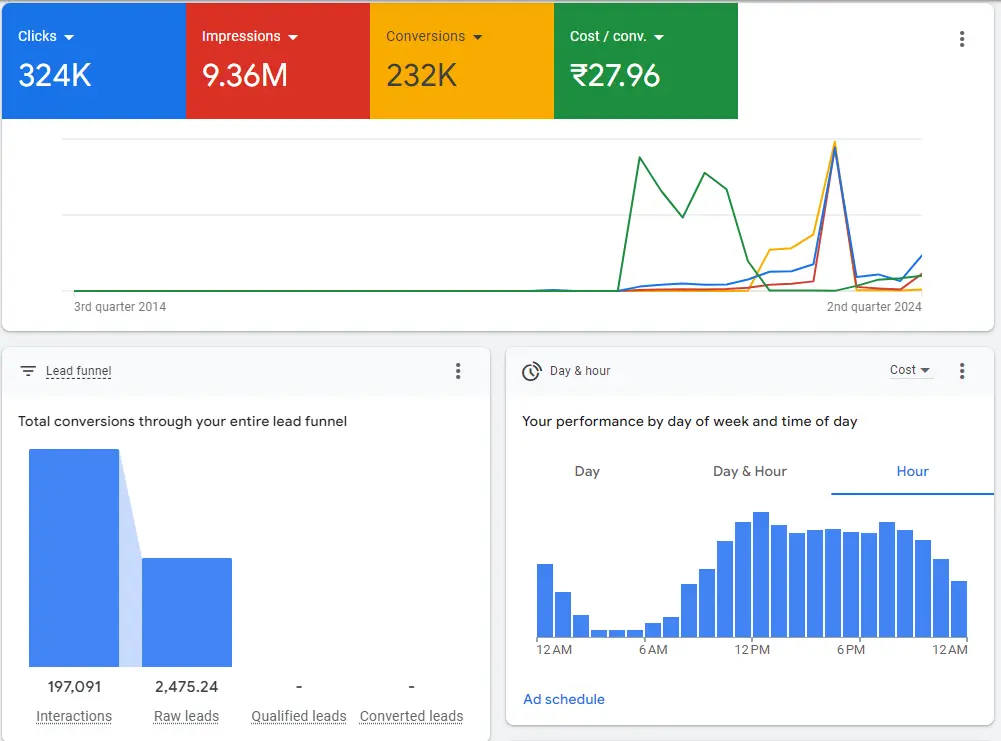
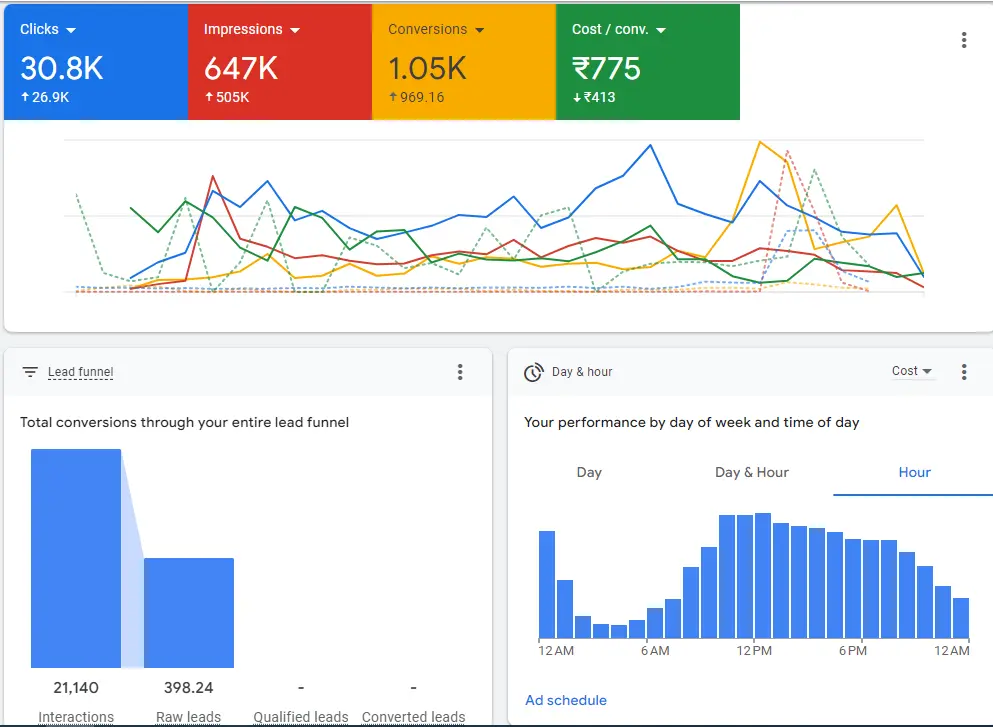
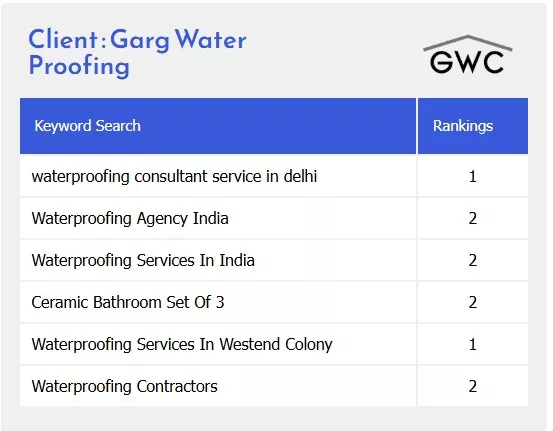
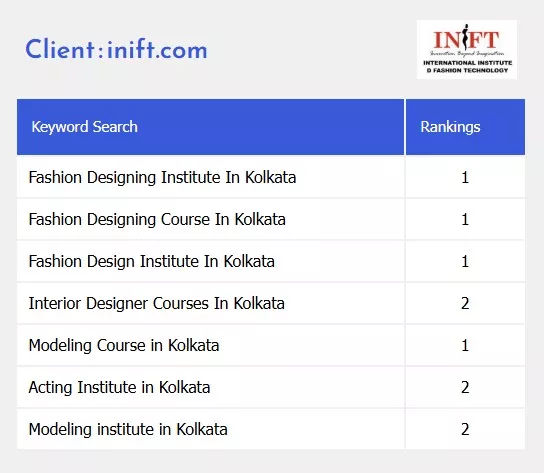
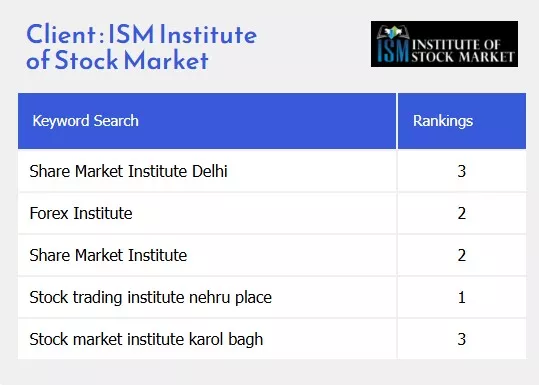
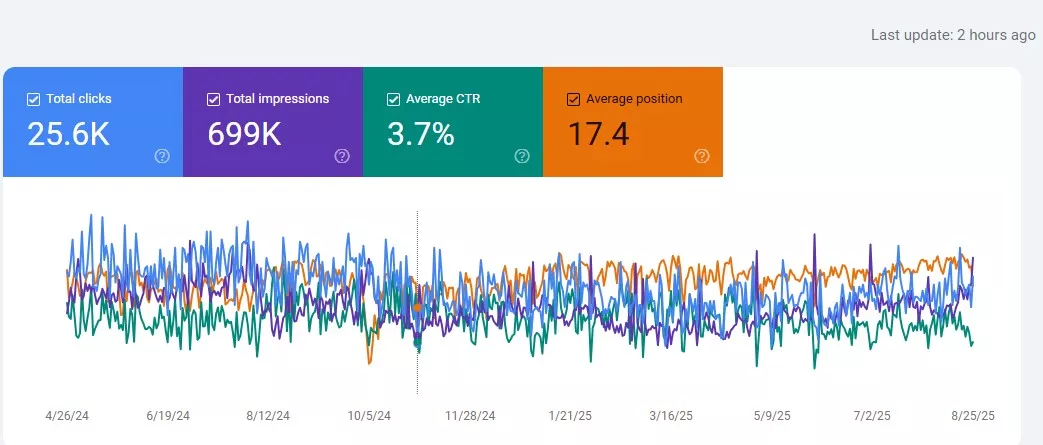
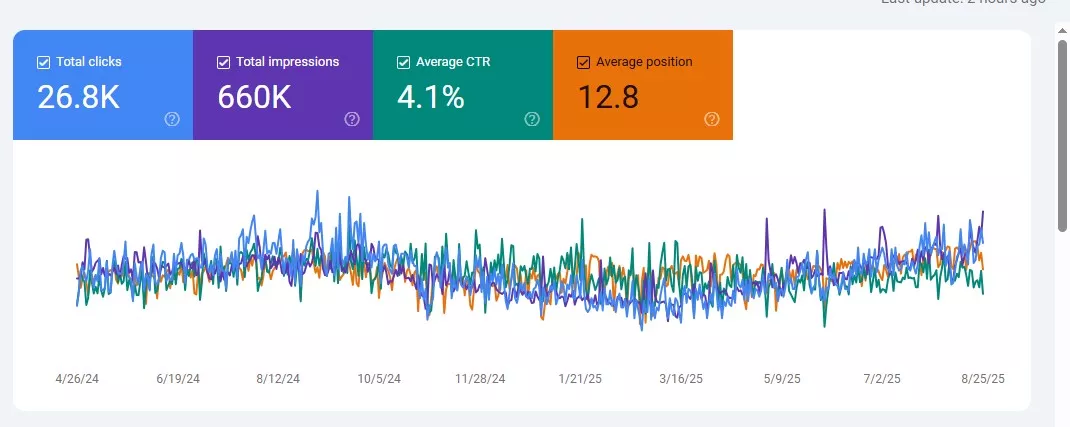
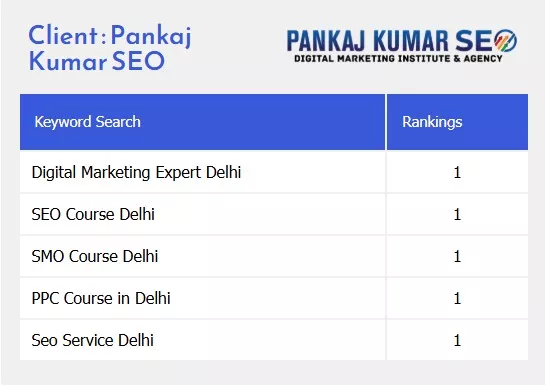
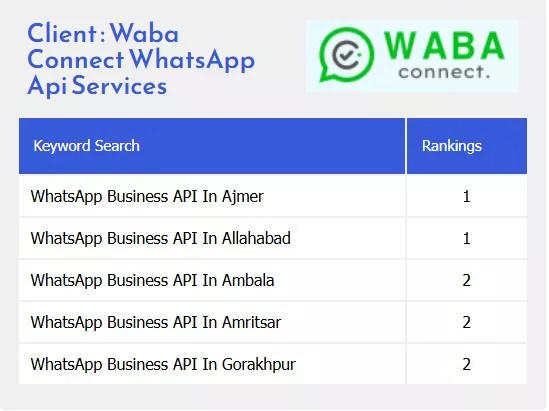
This portfolio reflects that operating philosophy.
It is less about showcasing activity and more about demonstrating judgment.
The work represented here prioritizes durability over speed,
clarity over complexity, and learning over repetition.
It acknowledges that long-term growth is rarely linear,
but it should always be intentional.
In a landscape increasingly driven by automation and abstraction,
sustainable performance belongs to those who can think clearly,
choose carefully, and adapt without losing direction.
That is the perspective shaping the work shown across this portfolio.